Virtual Experiences in Architecture

The way we design and communicate architecture is evolving.
Space Viz logo – architectural and interior 3D visualization studio
January 15, 2026

What was once explained with technical drawings or static renders can now be experienced before it's built. We’re talking about virtual experiences: immersive tools that are transforming how we present, validate, and sell projects.

In this article, we’ll explore what virtual experiences are, how they work, and why they’re becoming essential for architecture studios, developers, and design-focused brands.

What is a virtual experience?

A virtual experience is an interactive 3D simulation that allows you to walk through a space freely, before it exists physically.

It’s not just about looking; it’s about exploring and living the project.

Its purpose is to enhance spatial understanding, reduce uncertainties, and improve communication between architects, designers, clients, and stakeholders.

How are virtual experiences created?

They are developed by combining:

  • Real-time 3D engines (like Unreal Engine)
  • BIM/CAD architectural models
  • Physically accurate textures and lighting
  • Interactive programming (navigation, filters, points of interest)

There are different types, depending on project goals:

  • Virtual walkthrough
    A fully immersive navigation through space. Ideal for homes, hotels, commercial areas, or shared amenities.
  • Real-time simulation
    Perfect for design phases. Test materials, lighting, or furniture without re-rendering. Speeds up decision-making.
  • 3D configurator
    Enables users to customize products, finishes, or layouts and see changes live — in photorealistic quality.

Strategic applications across project phases

These tools support various stages of the architectural and design process:
  • Design: validate concepts and test alternatives before building
  • Technical presentations: communicate clearly with investors or planning boards
  • Marketing: create high-impact visual material
  • Sales: close pre-sales by showing the final result
  • Post-sale and training: for complex or customizable products
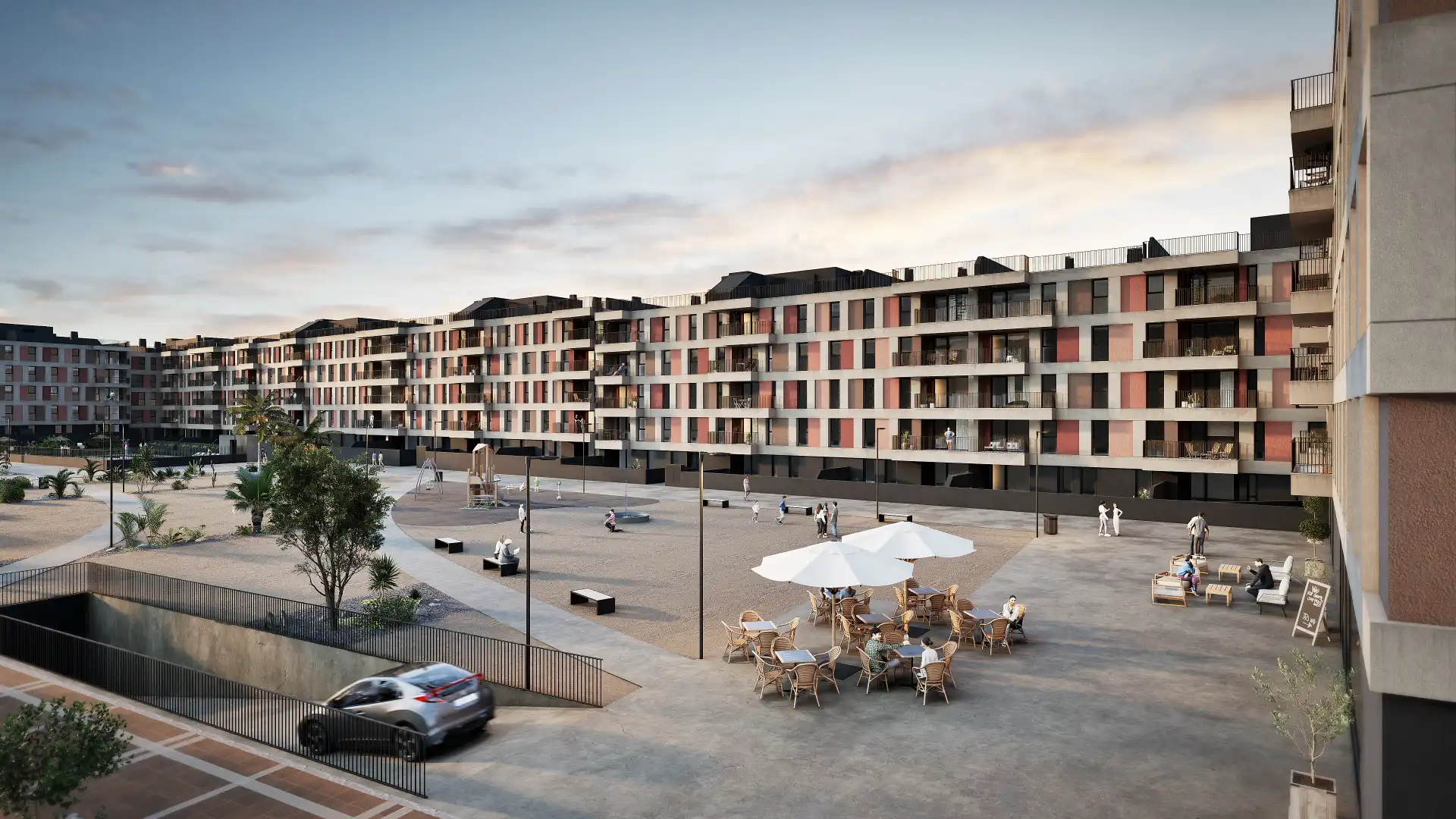
Exterior architectural visualization of a large residential complex with public plaza, outdoor seating areas, and integrated urban landscape design
Understand large-scale projects through interactive visualization.

How we apply it:

In complex projects, static imagery falls short. At SPACE, we use three core solutions to adapt to different needs:

WALKE

An immersive experience where you interact with your project.

Move naturally through the space, observe materials, lighting, and proportions as if you were physically there.

Best for: interior design, residential units, or hospitality.

URBAN X

Navigate large-scale developments using filters and custom routes.

Visualize masterplans, common areas, and individual units like an interactive scale model.

Best for: real estate developments, residential complexes, or urban planning.

EDIT

Customize finishes, furniture, and design components in real time  with photorealistic quality.
Designed for high-customization brands.

Best for: furniture, automotive, product design, and real estate with flexible units.
Renders, videos or virtual experiences, what’s the difference?

  • Render: shows aesthetics and overall concept
  • Video: communicates a narrative or emotional context
  • Virtual experience: enables interaction, ideal for exploration, decision-making, and clear presentation
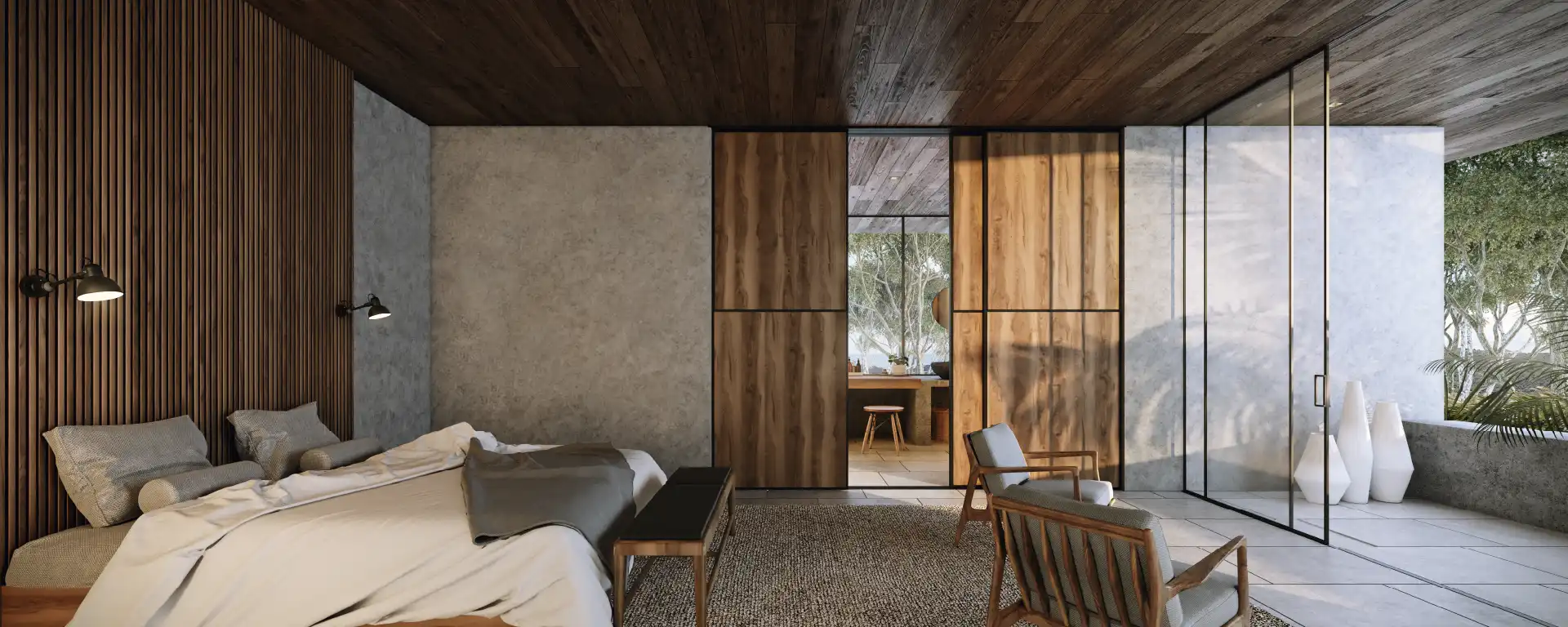
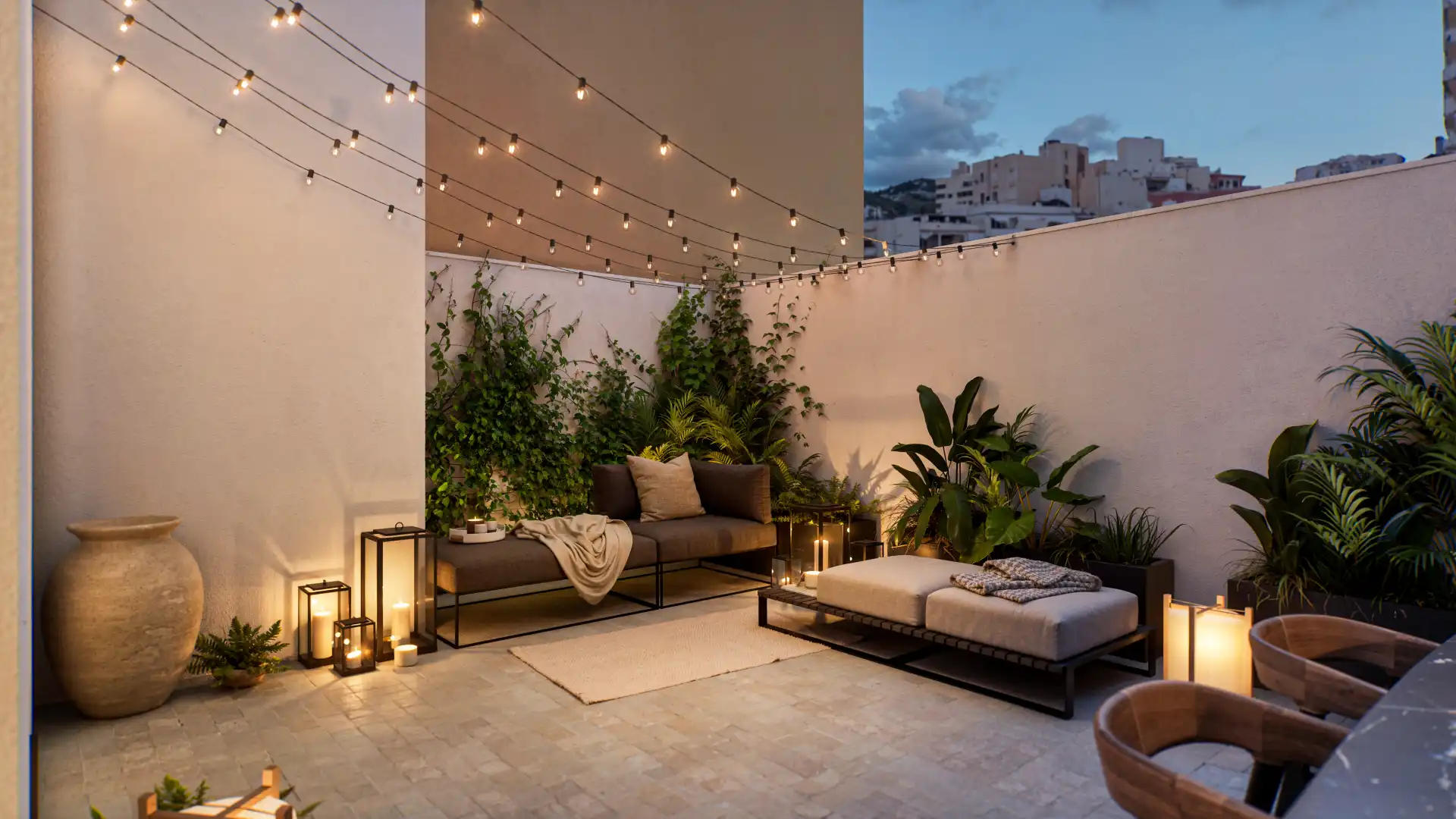
Architectural visualization of a modern outdoor patio with ambient lighting, greenery, and contemporary furniture designed for a residential terrace
Visualize outdoor spaces and atmosphere before construction

Measurable Impact

Our work shows that virtual tools can:

  • Reduce rounds of revision
  • Improve understanding of the design
  • Build confidence before construction
  • Facilitate pre-sales
  • Present the project in a clear, immersive, and professional way

By offering more realism, they also reduce the gap between expectation and reality.

How are they integrated into your project workflow?

  1. Start from architectural plans (BIM/CAD)
  2. Add lighting, textures, and camera paths
  3. Program the interactive elements
  4. Export the final experience for web, VR or app

They can be embedded in sales presentations, pitch decks, project microsites, or even physical showrooms.

Real-world examples where it made a difference

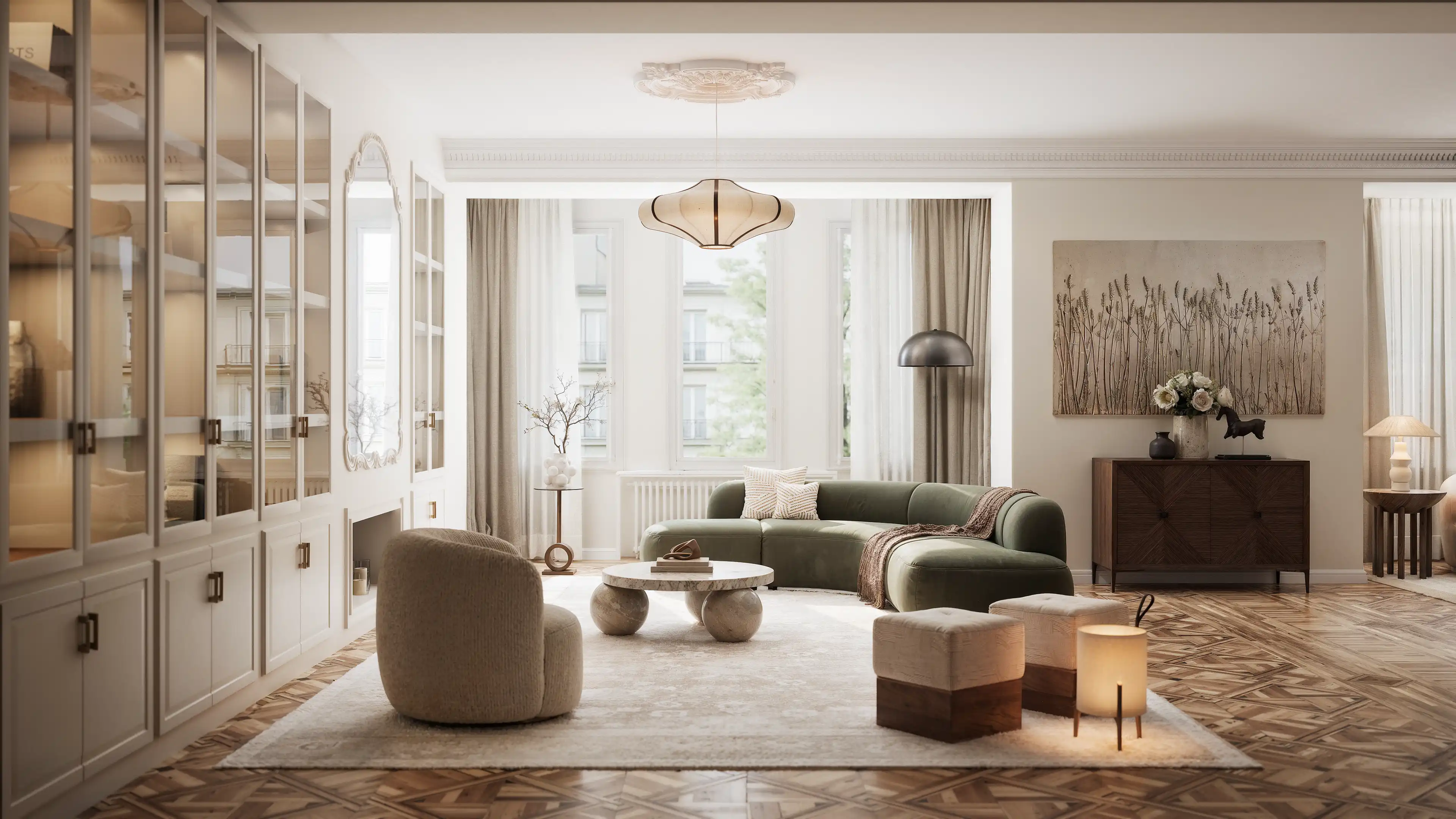
In a historic renovation, virtual tools showed the contrast and harmony between neoclassical architecture and modern furniture.

In a 350+ unit residential development, walkthroughs were key to showcasing common areas like the coworking lounge and rooftop — driving pre-sales success.

In an automotive line, a configurator allowed users to explore over 50 variations in real time, improving engagement and conversion.
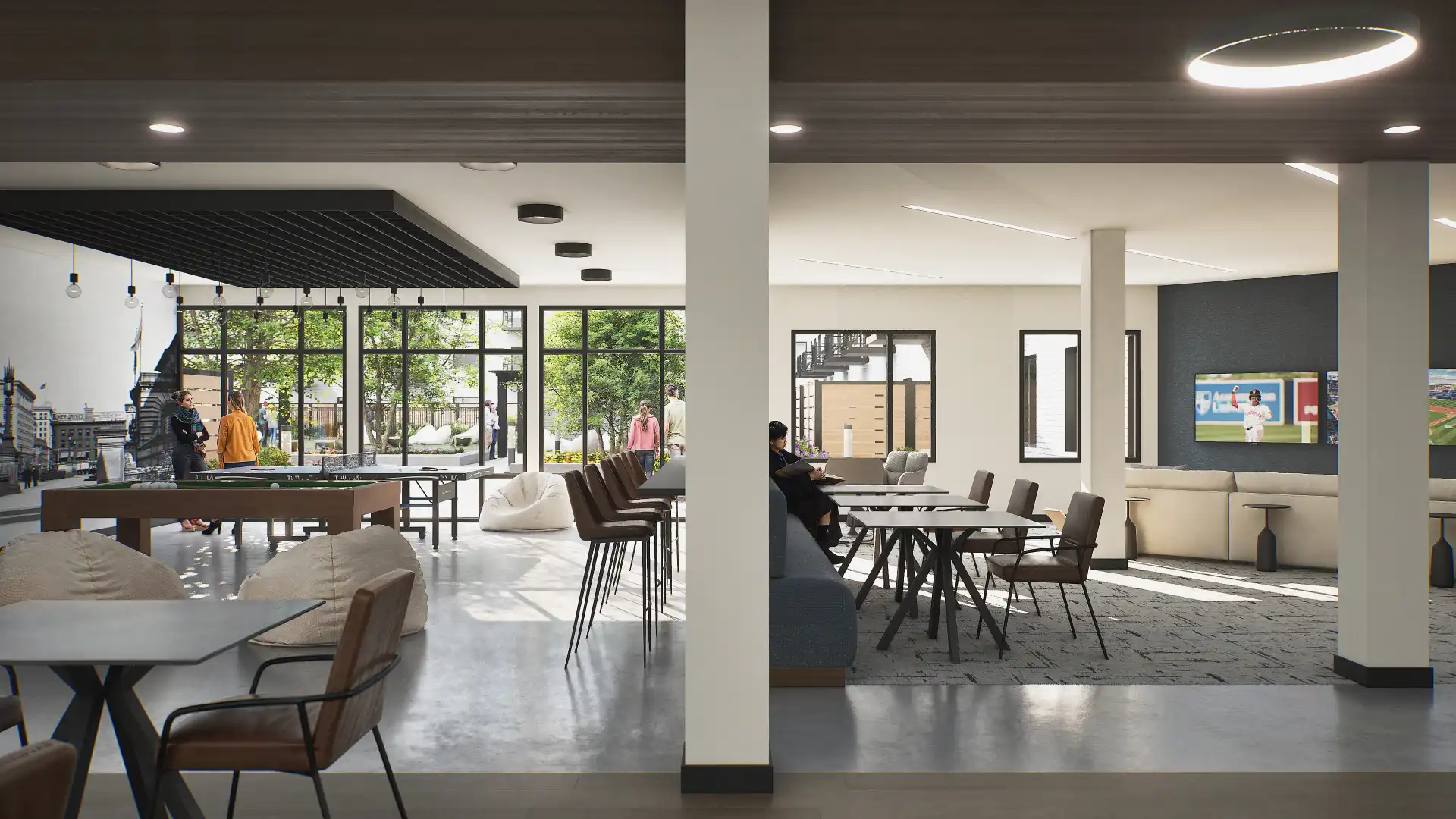
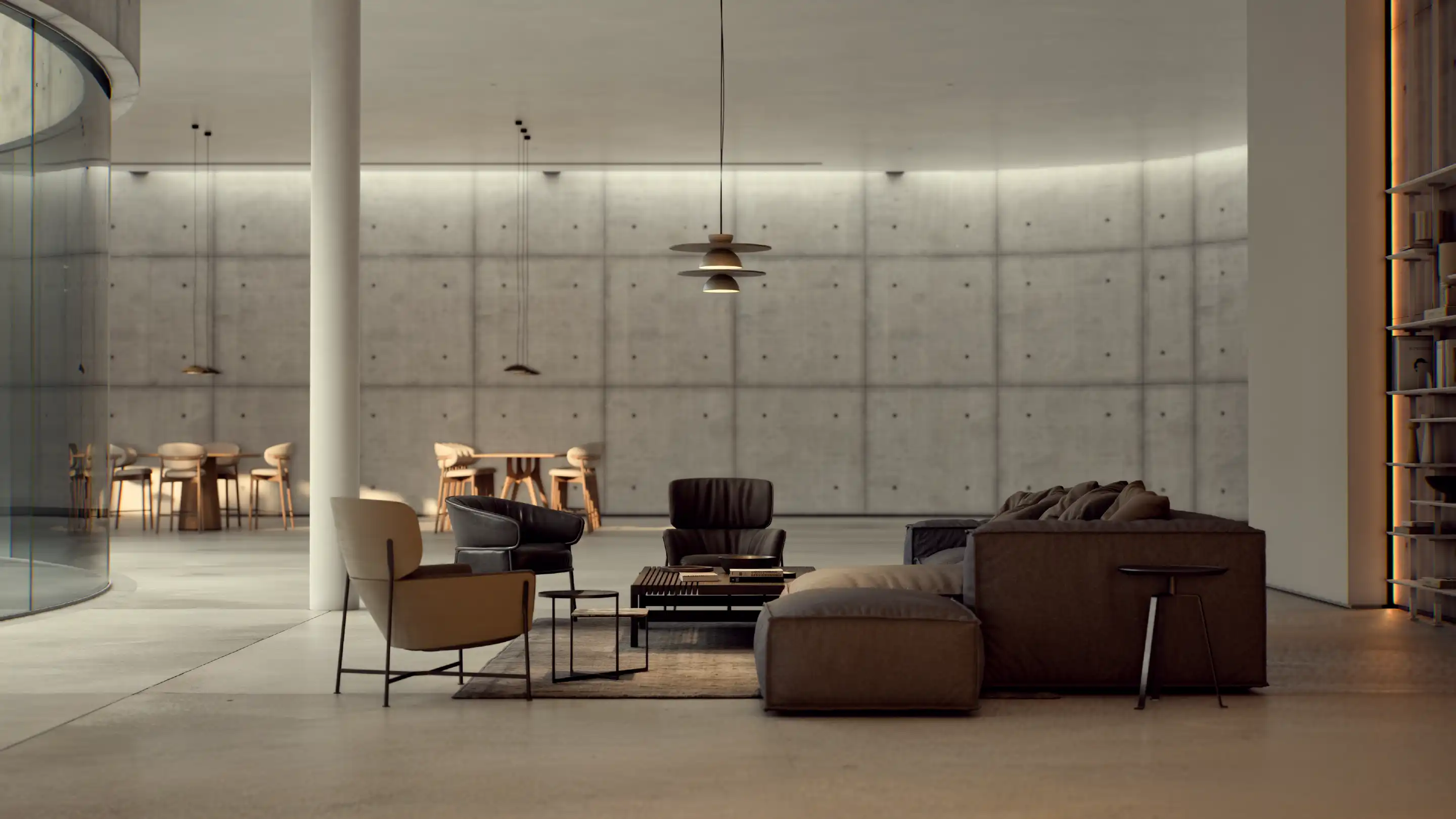
Photorealistic virtual experience of a coworking interior, showing shared workspaces, lounge areas and natural circulation, designed for architectural visualization and real-time exploration.
Experience shared spaces as they will be used in real life

Why is this growing now?

Virtual experiences are rising because:

  • Real-time engines are more powerful and accessible
  • Clients expect more realism and interactivity
  • Integration with design tools is smoother
  • The ROI in sales, marketing, and validation is clear

We’re entering a new phase of connected, collaborative, and immersive visualization. It’s not just about pretty images, it’s a strategic tool.

Conclusion: It’s not just about seeing

In today’s fast-paced, high-stakes design environment, seeing isn’t enough.

You need to explore, feel, and decide, before building.

If you want to experience what these tools can do, try WALKE, URBAN X, or EDIT.
Because the future of 3D visualization isn’t just static, it’s immersive.

Curious about how a virtual experience could transform your next project? Explore our services or get in touch.

Category:
Tech & Tools
Share
Please turn your device